
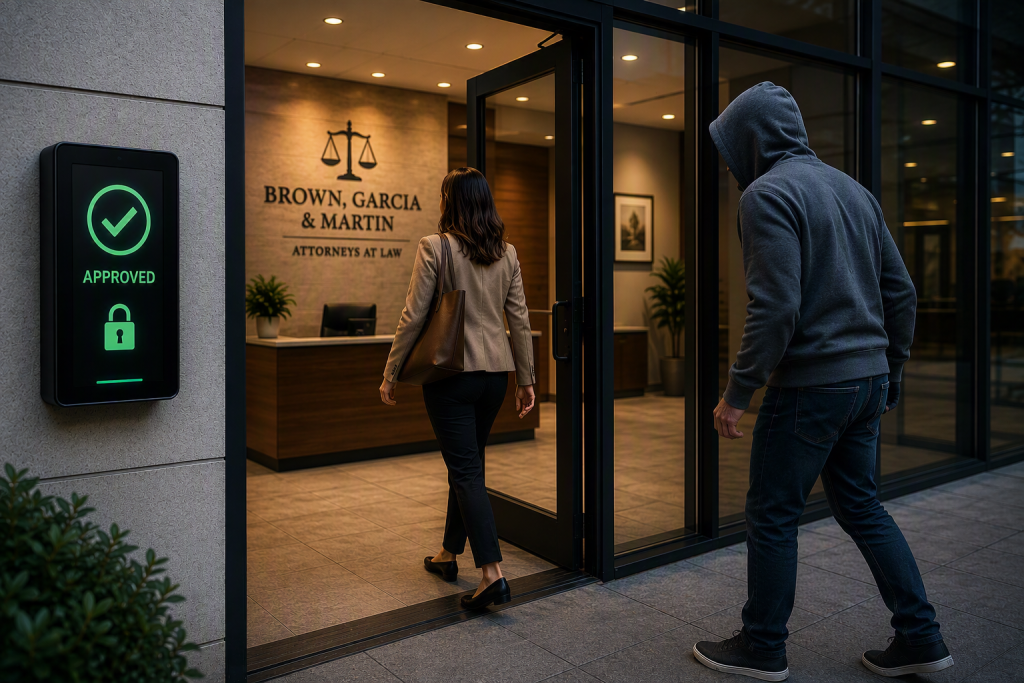
 Multi-factor authentication (MFA) is supposed to be the lock on your digital front door. But what happens when an attacker finds a way around it, not by breaking the lock, but by walking in right behind someone who just unlocked it?
Many business owners are becoming familiar with session hijacking attacks and how cybercriminals can bypass MFA by stealing a trusted session. The real concern, however, is not how they get in. It’s what happens after they’re already inside your systems, moving through your business undetected.
What Attackers Do Once They’re Inside
This is where things get serious. Once a user successfully authenticates and an attacker gains access to that trusted session, they can operate as though they are the legitimate user. In many cases, they gain access to email, cloud applications, files, and other business resources without triggering the traditional warning signs businesses expect to see.
Email accounts are usually one of the first targets. Attackers often scan inboxes and sent items to understand business relationships, ongoing projects, payment processes, and communication patterns. They are looking for information that can help them commit fraud, gather sensitive data, or identify additional targets within the organization.
Many attackers will set up email forwarding rules to silently copy future messages to themselves. This allows them to continue monitoring communications, even if the original compromised session eventually expires.
Expanding Their Access
Some attackers use compromised accounts to move laterally through an organization. Shared documents, cloud storage systems, collaboration platforms, and internal applications can all become targets. The amount of information an attacker can access often depends on the permissions assigned to the compromised user.
If the account has administrative privileges or elevated access, the risks increase significantly. Attackers may be able to modify security settings, create additional accounts, access sensitive business data, or establish ways to maintain long-term access.
Because these activities often occur within legitimate accounts, they can be difficult to detect without the right security monitoring tools in place.
Protecting Your Business Beyond the Login Screen
The good news is that session hijacking can be detected and limited with the right approach. Modern security tools can monitor for suspicious activity, such as unusual login locations, unexpected changes to account settings, or suspicious email forwarding rules. Regular security reviews can also help identify signs of compromise before they develop into a larger problem.
Session timeout policies remain important as well. Shorter session durations reduce the amount of time a stolen session can be used by an attacker.
Employee training also needs to evolve beyond simply telling users not to click suspicious links. Staff should understand how to recognize unusual login requests, verify website addresses before entering credentials, and report anything that seems out of place.
The sooner suspicious activity is identified, the less opportunity attackers have to expand their access.
Looking Beyond Multi-Factor Authentication
Multi-factor authentication is still one of the most effective security controls available, and every business should be using it. But modern threats remind us that cybersecurity cannot stop at the login screen.
Businesses need visibility into account activity, ongoing monitoring, user training, and layered security controls that help detect abnormal behavior after authentication has already occurred.
If you’d like help evaluating your current security setup or learn how to better protect your business from modern authentication threats, contact Wingman IT Services today. We’d be happy to help.